
Introduction
You've probably heard about eating for your body type or following trendy diets like keto, paleo, or Mediterranean. But what about eating according to your blood type? It's a concept that's been around since the 1990s, popularized by Dr. Peter D'Adamo's book Eat Right 4 Your Type. The idea is simple: your blood type determines how your body processes certain foods, and by choosing the right foods for your blood type, you can optimize your health, boost energy, and even prevent disease.
But does it really work? Can eating based on blood type actually make a difference? In this blog, we'll dive into the basics of this eating philosophy, what the science says, and how you can use it to potentially improve your diet and overall health.
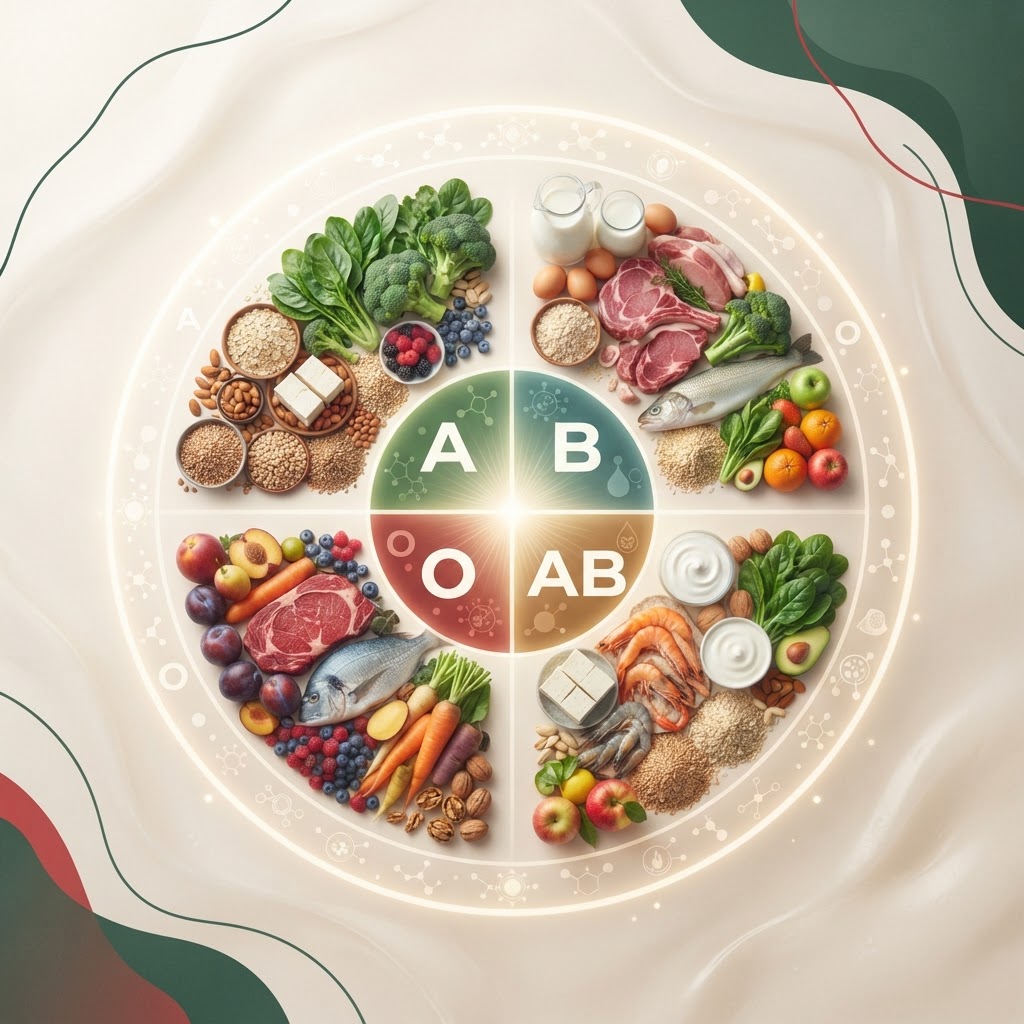
The Basics of the Blood Type Diet
Dr. D'Adamo's Blood Type Diet is based on the premise that each blood type—A, B, AB, and O—has unique dietary needs. According to the theory, blood types evolved in response to the environment and diet of early humans.
Type O (The Hunter)
- Best foods: Lean meats, fish, vegetables, and fruits (high-protein, low-carb diet)
- Avoid: Grains, dairy, and legumes
- Why: Type O is believed to have evolved from ancient hunters, suited to a meat-heavy, low-grain diet.
Type A (The Farmer)
- Best foods: Vegetables, fruits, whole grains, legumes, and tofu
- Avoid: Red meat, dairy, and certain beans
- Why: Type A individuals are thought to have evolved in agricultural societies, thriving on a plant-based diet.
Type B (The Nomad)
- Best foods: A mix of plant-based foods and animal products (like dairy, lamb, and fish)
- Avoid: Chicken, corn, wheat, and certain legumes
- Why: Type B blood is believed to have evolved in nomadic tribes that ate a more varied diet.
Type AB (The Enigma)
- Best foods: A mix of foods from both Type A and Type B diets—lean meats, tofu, dairy, fish, grains, fruits, and vegetables
- Avoid: Caffeine, alcohol, and certain meats (like processed meat)
- Why: Type AB is considered a "modern" blood type, a combination of types A and B.
How Does Eating for Blood Type Work?
According to Dr. D'Adamo, the blood type diet works because lectins—proteins found in certain foods—can interact with the blood type's antigens. These interactions can cause digestive issues, inflammation, and other health problems, especially when consuming foods that don't align with your blood type.
Proponents of this diet believe that eating according to your blood type can help improve digestion, boost energy, support immunity, and even reduce the risk of chronic conditions like heart disease, diabetes, and cancer.
What Does Science Say About the Blood Type Diet?
While the blood type diet has gained a significant following, the scientific community remains skeptical. There's little to no solid research to support the idea that eating according to blood type offers major health benefits.
- Lack of Scientific Evidence: Large, peer-reviewed studies that directly test the Blood Type Diet are scarce.
- Personal Experience: Many people report feeling better when they follow a diet tailored to their blood type, but this could be attributed to overall improvements in diet quality.
- General Health Benefits: Most of the recommended foods align with established healthy eating principles—eating more vegetables, lean proteins, and whole grains while cutting down on processed foods and sugar.
Can Eating for Your Blood Type Improve Your Health?
Even though scientific support is limited, some people find the Blood Type Diet helpful because it encourages them to:
- Eat a more whole-foods-based diet
- Eliminate processed foods, sugar, and additives that contribute to inflammation
- Increase awareness of how certain foods make them feel
If you're curious about how your blood type might influence your diet, trying out the eating plan could help you learn more about your body and how certain foods affect your energy, digestion, and overall health.
Conclusion
The idea of eating for your blood type is intriguing and has its share of dedicated followers. While there's limited scientific backing for the theory, many of the food recommendations align with general healthy eating guidelines that can benefit anyone, regardless of blood type.
If you're interested in exploring the Blood Type Diet, it might be worth trying out for a few weeks to see how you feel. Ultimately, the best approach is to tune into your body—track how different foods affect you and focus on what works for you. A personalized diet, based on your unique needs, is always the best choice for long-term health and well-being.
Interested in trying the Blood Type Diet for yourself? Start by researching what foods are best for your blood type and give it a try for a few weeks. Keep track of how your body responds, and remember, a healthy diet that makes you feel good is always the best one to follow!